LOCAL, SEASONAL, AND NOT JUST THERE TO LOOK GOOD ON THE MENU

Blog image

Belgian produce, nearby suppliers and less waste: the commitments behind PICKLES platters

On a platter, everything looks simple: sandwiches, crisp vegetables, a few well-considered recipes, and lunch is served.

But before it reaches the office, every ingredient already has a story. Where was it produced? By whom? In which season? And what happens to it if it is not eaten?

At PICKLES, we do not have all the answers. We do, however, have a few solid principles and a Group behind us that helps apply them at a scale a small caterer would struggle to achieve alone.

AS CLOSE AS POSSIBLE. AND ABOVE ALL, AS SENSIBLE AS POSSIBLE.

PICKLES prepares its orders fresh every day in its Schaerbeek kitchens, prioritising Belgian suppliers and short supply chains.

Across the Groupe Choux de Bruxelles:

  • 88% of suppliers are Belgian;
  • 80% are located within 50 kilometres;
  • 44% hold a recognised label.

At PICKLES, at least 60% of the value of food purchases comes from local products or short supply chains.

That does not mean every tomato has a Belgian passport or that we reject everything grown beyond the Brussels Ring. It means that when the product, quality and availability allow, we choose to work closer to home.

The Group’s network includes Belgian organic juice producers such as Maison Froui and Pajottenlander. When selecting fish, priority is given in particular to MSC-certified products.

Concrete examples, rather than one big ‘local’ sticker slapped across the entire menu.

LOCAL, SEASONAL, AND NOT JUST THERE TO LOOK GOOD ON THE MENU

THE SEASON HAS A SAY TOO

Asparagus in December and strawberries all year round? No thanks.

At least 50% of the offering evolves with the seasons. Soups, salads, fruit, verrines and Inspiration buffets change according to market availability and the produce available.

The menu therefore sets a direction, not a promise carved into a courgette. This flexibility allows us to work with products that make more sense for the season while leaving room for the chefs’ creativity.

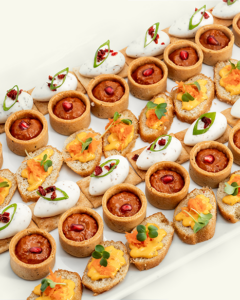
Plant-based dishes are an integral part of this cuisine. They are not relegated to a small ‘special option’ platter: muhammara, rocket, grilled aubergine and pine nuts; confit portobello, peas, gem lettuce and mint; falafel, paprika hummus and Lebanese bread; beetroot carpaccio, burrata and pistachio…

All these recipes genuinely feature on the PICKLES menu. Plant-based food is not a substitute; it is a true part of the menu.
THE PERFECT PLATE DOES NOT EXIST IF IT ENDS UP IN THE BIN

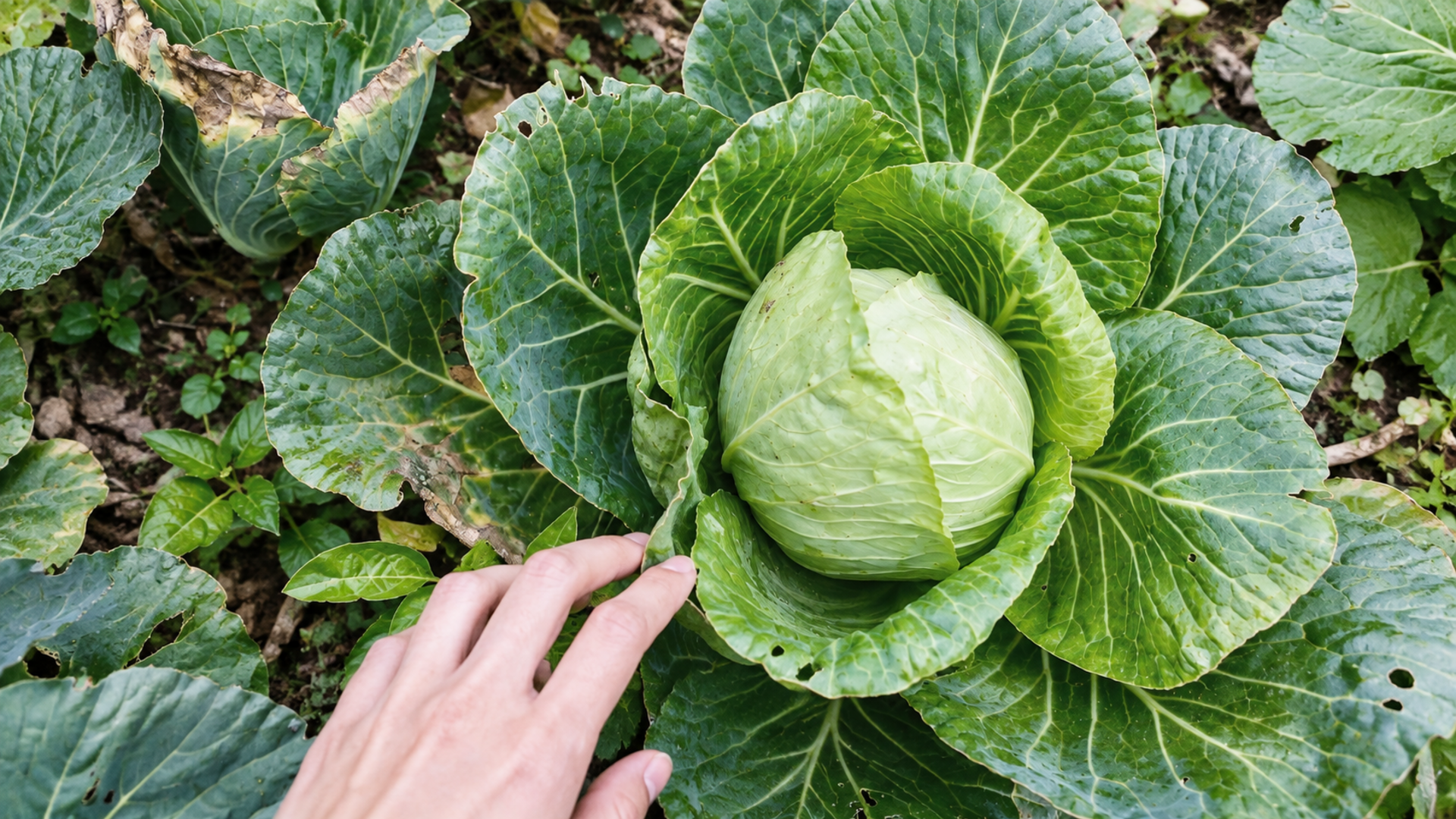
The first step in tackling waste is not especially spectacular: prepare the right quantities.

The teams draw on order history, precise portion weights, specification sheets and production tailored to requirements. After each event, the quantities produced, consumed and left over are monitored.

Across the Group, 1,500 litres of soup made from surplus vegetables were donated to the non-profit organisation Les Samaritains in 2024. A very concrete way to turn what might have been wasted into useful meals.

The Group also uses Alpaca Solutions to track food surpluses and facilitate their redistribution. Organic waste that cannot be recovered enters collection streams where it can be composted or processed.

Less waste, then. But above all, more care before, during and after every order.

LOCAL, SEASONAL, AND NOT JUST THERE TO LOOK GOOD ON THE MENU

CARDBOARD IS GAINING GROUND. PLASTIC IS STILL HOLDING ON.

Around 90% of PICKLES packaging is made from recyclable cardboard and can be sorted for recycling.

Not everything is perfect yet. The lids on some kraft pots, for example, are still made of plastic because there is no alternative sufficiently suited to storing and transporting the food.

For events, most bottles used are covered by a deposit-return system. The Group also sorts waste into five streams: organic waste, PMD packaging, residual waste, paper and cardboard, and glass.

Delivery rounds can be consolidated so that refrigerated food and the equipment required for events travel together. The cleaning products used are also biodegradable.

WHAT WE STILL WANT TO IMPROVE

Our commitments are not a finish line.

We want to keep reducing packaging that is difficult to recycle, measure surpluses more accurately and give local, seasonal and plant-based products an even greater place on our menus.

This approach aligns with the wider work of the Groupe Choux de Bruxelles. ShiftingPact assessed the Group at 64/100 overall, including 81/100 for its environmental impact, and the target is an overall score of 75/100 by 2027.

That score is not a medal on the wall. It is a starting point and a useful list of things to improve.

Good food, sourced nearby, with as little as possible in the bin. That is already a charter that fits on a plate.

DOWNLOAD THE GROUP’S ESG CHARTER

FRESH FOR YOUR FEED

Follow us

This site is registered on wpml.org as a development site. Switch to a production site key to remove this banner.